
Dr. Mark Gregory Karris, LMFT · San Diego
Couples Therapy
in San Diego
Find your way back to each other.
Relationships can bring so much joy. They can also trigger intense pain. Whether you are facing a crisis, feeling disconnected, or hoping to deepen a good relationship, you do not have to navigate it alone.
Experiential. Attachment-oriented. Focused on your relationship.
Welcoming LGBTQIA+ couples.
Room for both of you
You can love each other
and still feel far apart.
Has the connection faded? Has trust been shaken by an affair or another painful betrayal? Do the same conversations keep ending in the same painful place?
Perhaps you are trying to understand what happened and whether your relationship can heal after infidelity, or working through the difficult process of affair recovery and rebuilding trust. Maybe you have grown bored or disappointed over time, longing for something more. Or perhaps your relationship is thriving, and you want to make it even stronger.
When closeness fades
Make space for the feelings and needs beneath distance, disappointment, and the sense that you are missing each other.
When conflict repeats
Understand the recurring dynamics that turn differences into resentment, criticism, withdrawal, or hostility.
When trust needs care
Work toward greater honesty, emotional safety, and connection after an affair, betrayal, or painful disconnection.
A relationship worth tending
Couples therapy
is my specialty.
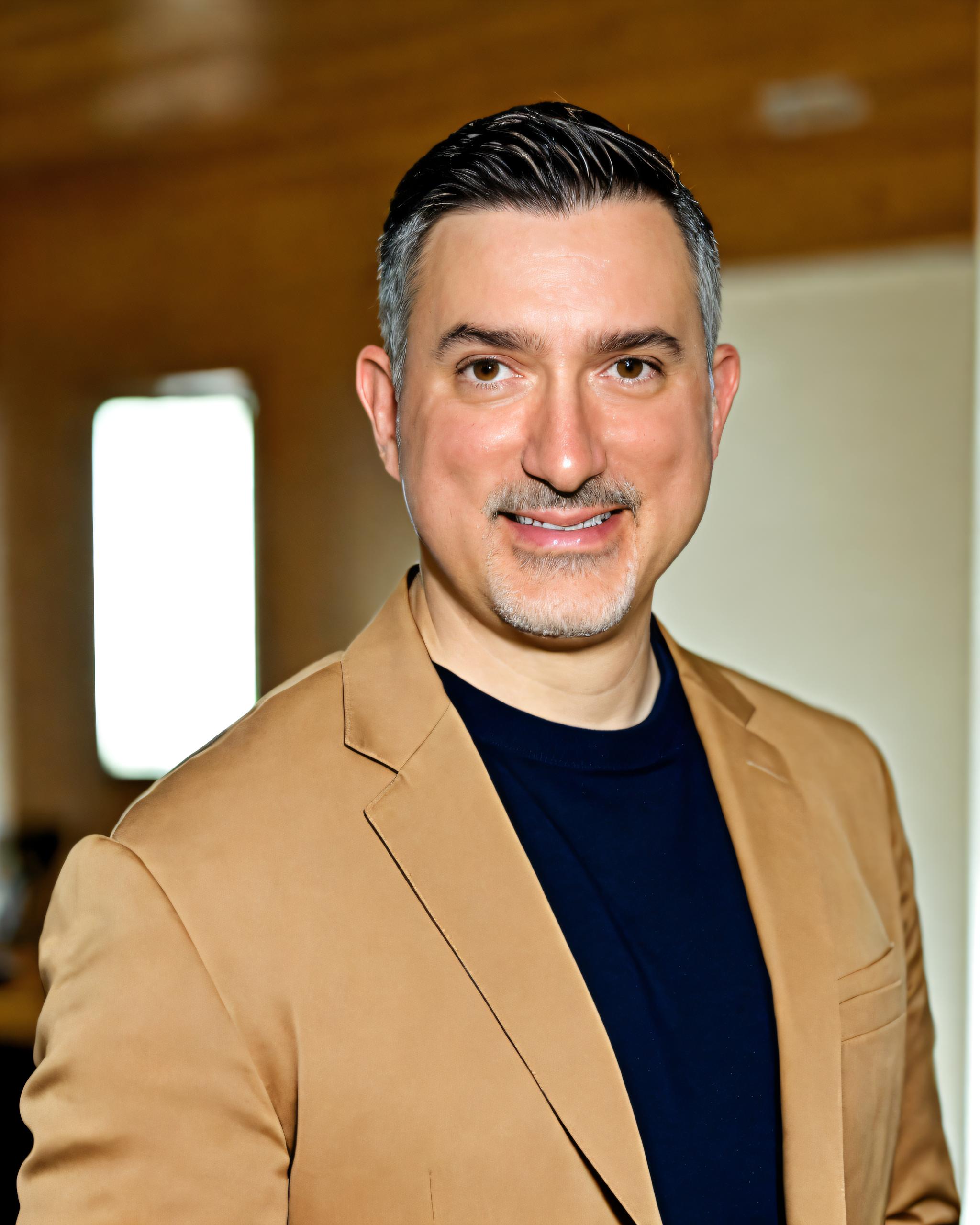
“Together, we can work toward creating a relationship that feels safer, more supportive, and more deeply connected.”
I love helping couples understand one another and experience a different way of being together.
I have spent countless hours researching and developing my work with couples. Alongside my clinical practice, I have published peer-reviewed articles on relationship dynamics, trauma, shame, compassion, and attachment.
Healthy relationships are the cornerstone of a happy and meaningful life. The sense of belonging and connection we find in relationships is a powerful driving force. I’m here to help you build the confidence to navigate relationships effectively—from mastering communication and emotional skills to understanding the complex dynamics that shape how you and your partner see each other. Many of us struggle with relationships, whether it’s choosing the wrong person, neglecting our own needs, or misreading our partner’s intentions. Yet, relationships are both complex and exciting, offering endless opportunities for growth and deeper intimacy. I love working with clients to explore these dimensions, deepen their understanding of intimacy, and learn how to navigate specific recurring dynamics.
I also have experience working with the LGBTQIA+ community.
Beneath the argument
More than finding
the right words.
When emotions run high, knowing what to say is not always enough.
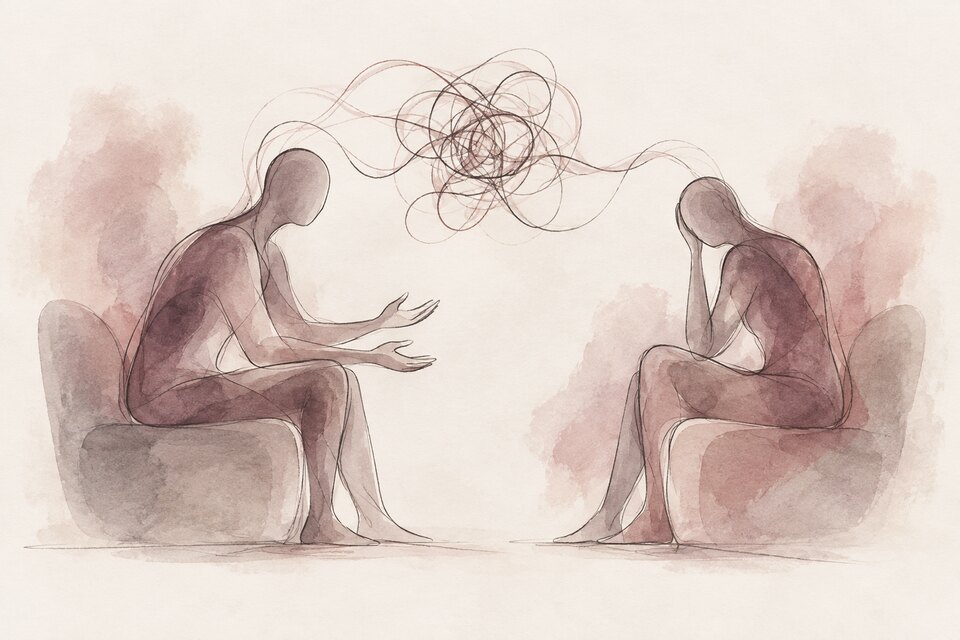
My counseling is experiential and attachment-oriented, with attention to trauma, nervous system regulation, and the emotional dynamics between partners.
When we feel threatened or unsafe, we may attack, defend, or shut down. In those moments, it can be difficult to use the communication skills we understand intellectually.
Our work pays attention to what happens in real time: tone of voice, body language, closeness, distance, and the emotions beneath your reactions. We explore how to move from defense toward collaboration, support, and mutual care.
The deeper aim: to help you understand your patterns, feel safer with each other, and build a more secure emotional bond.
Thoughtful care, grounded in training
Different approaches.
One focus: your relationship.
Because relationship challenges are often complex, they deserve thoughtful and evidence-based care. I take an integrative approach to couples therapy, with Emotionally Focused Therapy (EFT) serving as my primary framework. EFT is a research-supported model that helps partners create deeper emotional safety and secure, lasting bonds.
By drawing from these complementary models, I aim to help couples move beyond surface-level problem solving toward deeper understanding, emotional connection, and lasting relational change.
Emotionally Focused Therapy
I have extensive training in EFT, a collaborative, research-supported model that helps partners understand their emotional responses, change painful interaction patterns, and build secure bonds.
What we work toward
- Understand the emotions beneath protective reactions.
- Shift recurring patterns of disconnection.
- Create new experiences of emotional responsiveness.
- Strengthen a secure and lasting bond.
More about Emotionally Focused Therapy
EFT brings together experiential and systemic approaches. It offers a structured process for understanding relationship distress and helping partners engage with each other in new ways.
The work is collaborative and respectful, with attention to both your inner emotional experience and the cycle that develops between you.
An integrative perspective
Transformative Couples Therapy® (TCT)
Certified practitioner in David Mars’ approach.
Psychobiological Approach to Couples Therapy (PACT)
Completed Stan Tatkin’s 40-hour Level I training.
Relational Life Therapy (RLT)
Completed Level One training in Terry Real’s approach.
Internal Family Systems (IFS)
Completed 80 hours of Level One training.
Small moments. Meaningful shifts.
Learning to feel your way
back to each other.
David Mars’ Transformative Couples Therapy®
I am an approved and certified TCT couples therapist.
TCT pays attention to subtle, often overlooked signals: small gestures, emotions beneath the surface, and the way your body responds in the moment. It is about experiencing connection as well as talking about it.
This approach gently guides you from those knee-jerk reactions that drive you apart to a place where you can really connect. It’s about creating a safe space where you can both drop the defenses and let the real stuff—the love, the fear, the hope—shine through. With TCT, you start to build a relationship that’s not just surviving but thriving, where both of you feel seen, heard, and held in the ways that matter most. It’s a little like learning to dance together again, only this time, you’re both moving to the same beautiful rhythm.
A snapshot of the work
From protecting yourselves
to reaching for each other.
In their eighth session, a husband’s numb withdrawal begins to soften. What once looked like indifference starts to reveal something much more vulnerable. After many sessions of feeling shut down and criticized, he finally shares his deeper fear—that he may never be able to meet his wife’s needs.
“I do want to be close.”
“There’s no point in talking to you. I don’t want to fight.”
As the deeper fear emerges, he begins to share something more vulnerable:
“I do want to be close. I want you to give me a chance. Stop poking me and let me learn how to be there for you.”
“I need reassurance.”
“You just don’t care. You don’t get it.”
Beneath her anger are fear, sadness, and longing. She begins to ask:
“It’s hard to say this, but I need you to hold me and reassure me. Can you?”
In moments like this, several therapeutic perspectives come together. Explore how each approach contributes to the work.
EFT: understanding the pursue–withdraw cycle
From an Emotionally Focused Therapy (EFT) lens, we understand that the couple has been caught in a painful pursue–withdraw cycle. The husband protects himself by shutting down, while the wife protests the disconnection through criticism and anger. As the deeper emotions beneath those protective reactions are expressed, both partners begin to see each other not as enemies but as people longing for connection.
TCT: noticing the channels of experience
Drawing from Transformative Couples Therapy® (TCT), I also help partners slow down and experience what is happening in the present moment through what TCT calls the channels of experience—such as emotion, bodily sensations, imagery, voice, movement, and energy. By paying attention to these channels, couples become more aware of what is happening inside them and between them in real time. This deeper awareness often allows vulnerability and compassion to emerge naturally. TCT also highlights the subtle “glimmers” of love that still exist in the relationship—small moments of warmth, care, or longing that can be amplified and built upon.
PACT: understanding nervous system responses
Insights from Stan Tatkin’s Psychobiological Approach to Couples Therapy (PACT) help the couple understand what is happening in their nervous systems. When partners feel threatened, their brains move into fight, flight, or shutdown. Learning to regulate these responses helps the husband remain present instead of withdrawing and allows the wife to soften her protest so she can express her deeper need for reassurance.
IFS: getting curious about protective parts
At the same time, Internal Family Systems (IFS) helps each partner understand the different “parts” of themselves that show up during conflict. The husband recognizes a protective part that withdraws when he feels inadequate, while the wife notices an anxious part that pushes for reassurance when she fears disconnection. As these parts are understood with curiosity and compassion, both partners gain more freedom in how they respond.
RLT: strengthening honesty and accountability
Finally, ideas from Relational Life Therapy (RLT) help partners strengthen their wise adult capacity—the part of them capable of honesty, accountability, and care. This allows each partner not only to express their pain but also to take responsibility for how they impact the relationship and to act in ways that protect the partnership.
As these approaches come together, the couple begins to move out of their old cycle and into a new pattern—one where vulnerability invites empathy, empathy creates safety, and safety allows love to grow again.
Over time, the relationship itself becomes a safe haven and a place of healing, rather than a place where partners repeatedly hurt one another.
Get a feel for my work
Ideas you can bring
into your relationship.
Two videos from my book and audiobook, Beyond Fairy Tales, exploring connection, compassion, and the patterns that pull partners apart.
Reflective Empathic Compassion
Approach your partner with curiosity, understand their emotional experience, and respond in ways that help them feel seen, heard, and supported.
The SANE Approach
A practical tool to help couples ease tension, interrupt painful cycles, and deepen their connection.
Read more deeply
Published work.
Practical resources.
My passion for couples therapy extends beyond the therapy room. These papers and resources reflect my work with attachment, compassion, trauma, and relationship repair.
Trauma, shame & compassion
Integrating Emotionally Focused Therapy, Self-Compassion, and Compassion-Focused Therapy to Assist Shame-Prone Couples Who Have Experienced Trauma
Re-storying after infidelity
Religious Couples Re-Storying After Infidelity: Using Narrative Therapy Interventions with a Focus on Attachment
A welcome to couples therapy
Welcome Packet for New Couples: A customizable packet used by couples therapists worldwide to support and prepare new clients.
Conversations about lasting connection
Listen in. Go deeper.

Empowered Relationship · Episode 469
New dynamics. A more caring relationship.
My conversation with Dr. Jessica Higgins about developing new dynamics for a lasting, caring relationship.
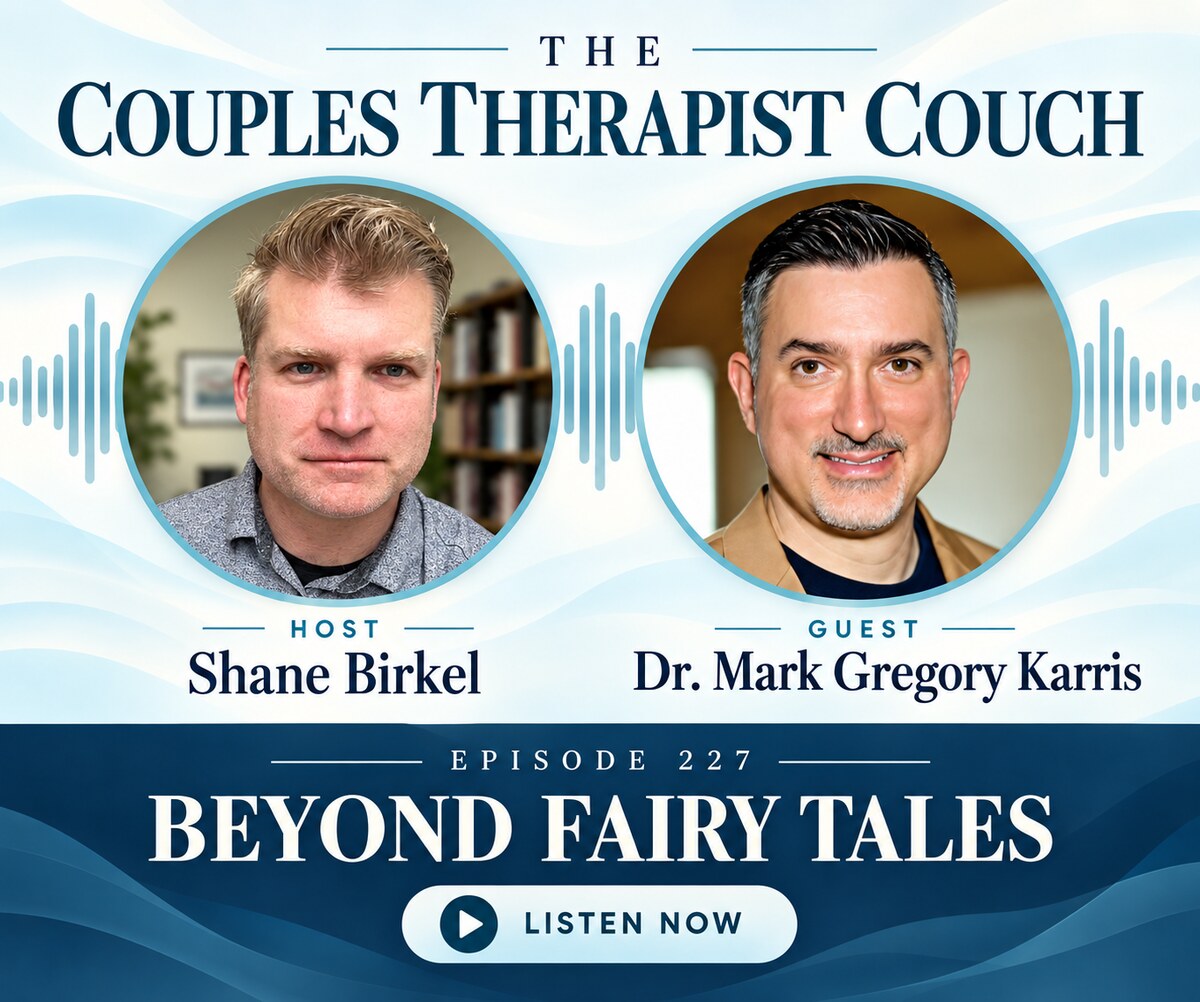
The Couples Therapist Couch · Episode 227
Beyond Fairy Tales
Join Shane Birkel and me for a conversation about my book, attachment, and moving from blame toward mutual understanding.
Support for your relationship
You do not have to find
your way forward alone.
Relationship challenges can feel overwhelming, but you don’t have to navigate them alone. Whether you are facing a crisis or simply want to deepen your connection, I specialize in helping couples understand their patterns, reconnect emotionally, and build a stronger partnership.
Together, we can work toward creating a relationship that feels safer, more supportive, and more deeply connected.
Dr. Mark Gregory Karris, LMFT
Couples Therapy in San Diego